Confederate Shop
Description
History of the Confederate flag: This rectangular version of the Confederate Battle Flag is the most widely recognized form. Derived from the Army of Northern Virginia’s battle flag, it emerged after the First Bat…
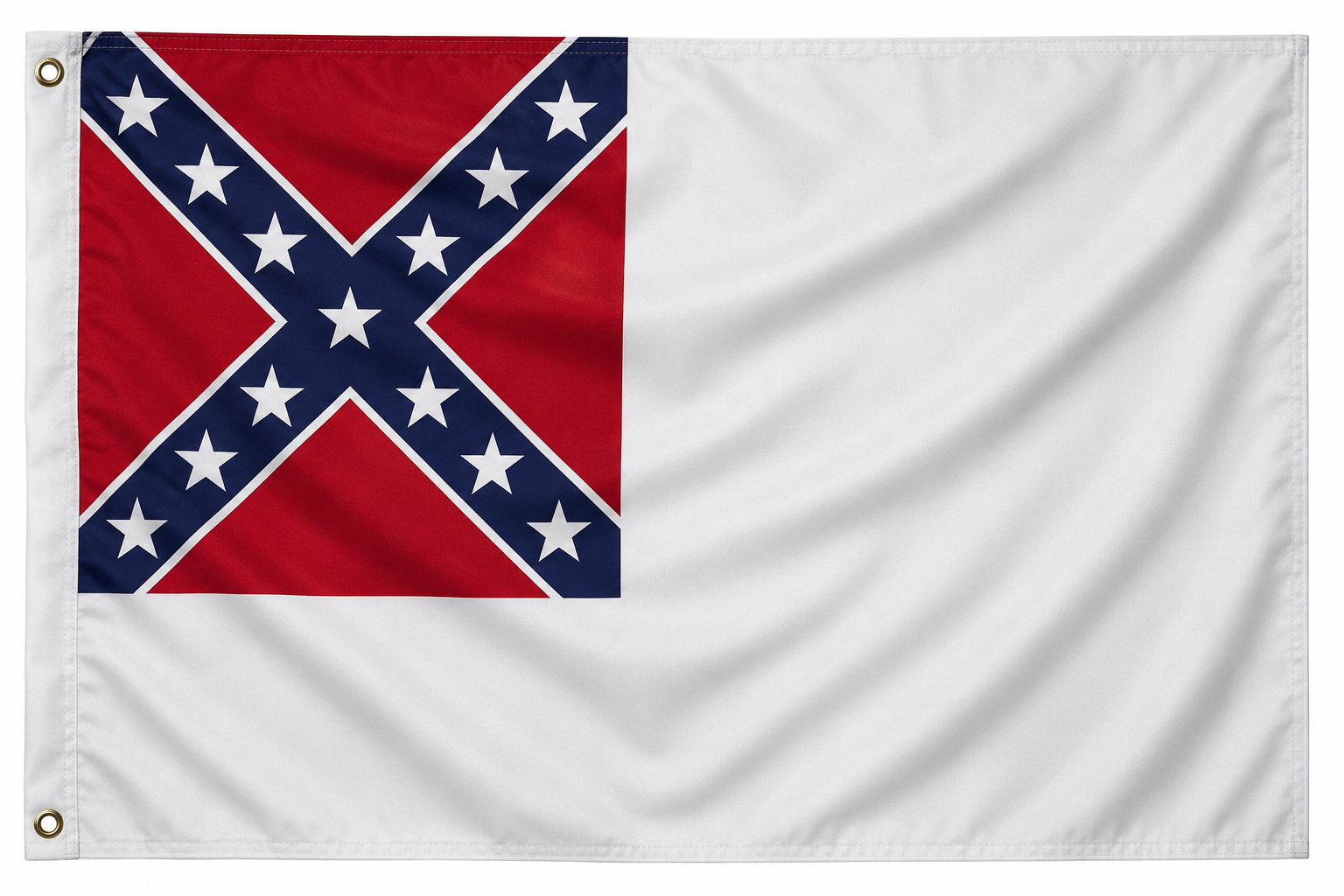
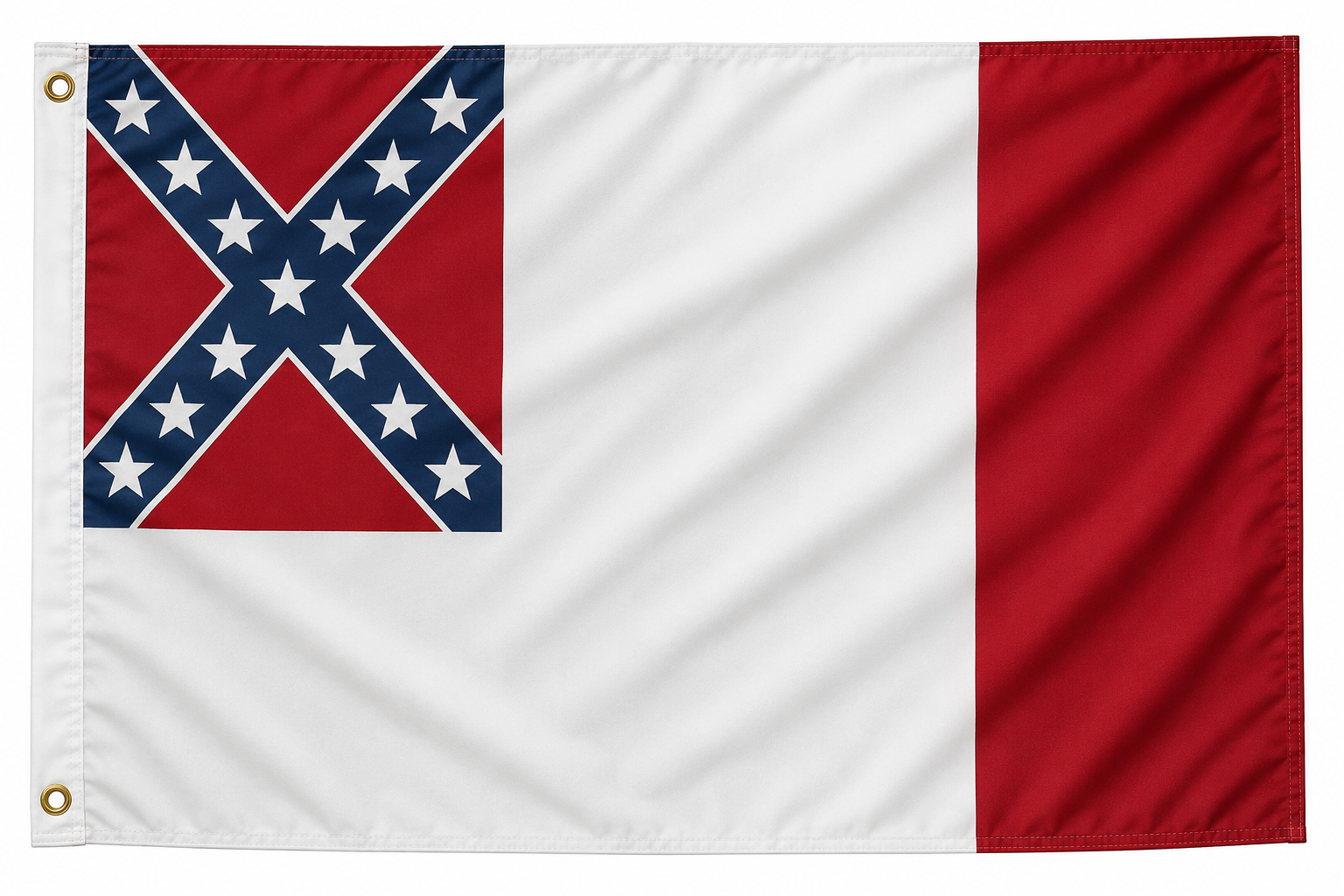
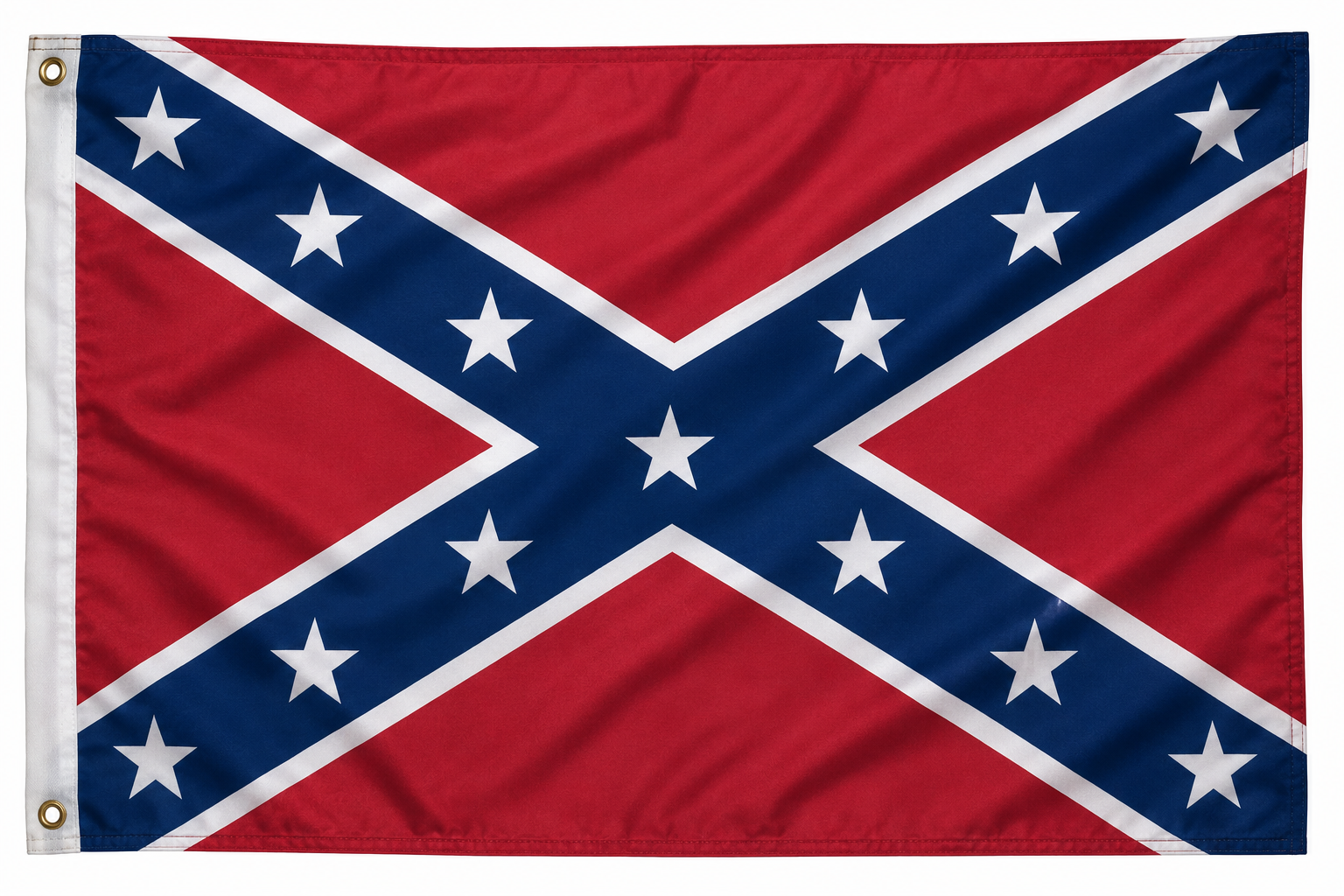
History of the Confederate flag: This rectangular version of the Confederate Battle Flag is the most widely recognized form. Derived from the Army of Northern Virginia’s battle flag, it emerged after the First Battle of Manassas, when the Confederate national flag (the Stars and Bars) proved too easily confused with the U.S. flag. The Southern Cross was adopted as a clearer battlefield emblem, later incorporated into the canton of the Second Confederate National Flag, and subsequently used by the Confederate Navy as its Naval Jack. In 1864, the Army of Tennessee also adopted this rectangular version. Because of its widespread wartime use, it remains the most commonly flown form of the flag.
It has been flown around the world, by peoples of all races, most often by those wishing to express Christian resistance to tyranny and oppression. The Congress of the United States on May 23, 1958 conferred the same status as United States Veterans upon Confederate Veterans in Public Law 85-425. Thus, when local governments, parade organizers, cemetery officials, corporate businesses, or distraught citizens seek to forbid Confederate Flags, they disrespect the Congress, Public Law 85-425, Article 1 of the Bill of Rights of the U.S. Constitution and demonstrate the level of their own ignorance.
Details
- Size
- 3' x 5'
- Description
- 2 grommets on hoist end, extra stitching on fly end
- Material
- Printed Polyester